The Revolutionary Story Behind Typography Portrait Art: How Words Became Visual Art
Typography portrait art didn't emerge from dusty art studios or prestigious galleries. It was born from rebellion—a quiet revolution against the sterile perfection of digital photography and the soulless efficiency of smartphone cameras. In 2026, as we're drowning in billions of identical selfies and AI-generated faces, typography portraits offer something radically different: they force us to see beyond the surface.
The art form asks a provocative question: What if the most important thing about a portrait isn't how someone looks, but what they mean? What if the words that define them—their passions, quirks, achievements, and dreams—could literally shape their image?
The Ancient Roots of Text as Image
Typography as visual art isn't new. Medieval illuminated manuscripts used elaborate lettering to create stunning visual experiences. Islamic calligraphy has been transforming sacred texts into breathtaking art for over a millennium. What's revolutionary is how modern technology has democratized this ancient craft.
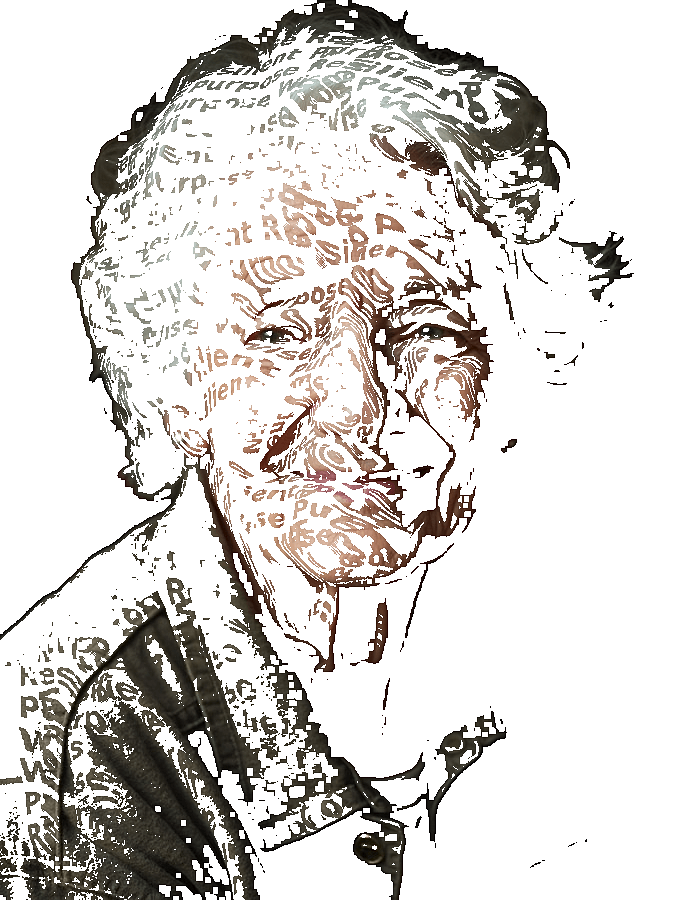
Before AI-powered platforms, creating a typography portrait required painstaking manual work—positioning each word, adjusting sizes, managing contrast. It was the domain of professional designers with expensive software and endless patience. Today's breakthrough isn't just technological; it's philosophical. We've finally realized that everyone deserves to see themselves reflected in meaningful words, not just wealthy patrons commissioning custom art pieces.
Why Typography Portraits Strike an Emotional Chord
There's something profoundly moving about seeing a loved one's face emerge from carefully arranged words. When you look at a custom typography portrait, you're not just seeing features and expressions—you're witnessing a life story told through language.
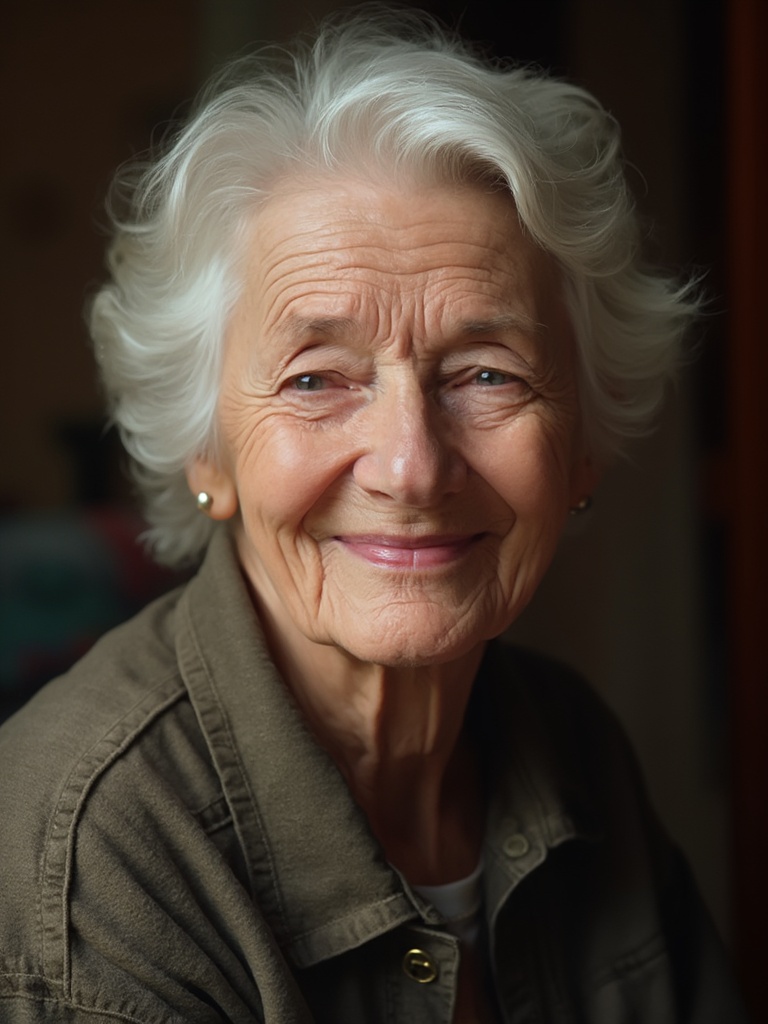
Consider the grandmother whose portrait is built from family recipes, grandchildren's names, and decades of wisdom. Or the rescue dog whose image emerges from words like "loyalty," "second chances," and "unconditional love." These aren't just decorative pieces; they're emotional artifacts that capture essence rather than appearance.
The most powerful typography portraits often surprise us. A custom house typography portrait might seem like simple home decor, but it becomes profound when built from family milestones: "first steps," "birthday parties," "homework battles," "goodnight kisses." Suddenly, that house isn't just architecture—it's a vessel for memory.
The Psychology of Seeing Words as Faces
Our brains are remarkably adaptable pattern-recognition machines. When we encounter typography portraits, something fascinating happens neurologically. We simultaneously process language and visual form, creating a unique cognitive experience that traditional portraits can't match.
This dual processing explains why typography portraits often feel more intimate than photographs. A photo captures a moment; a typography portrait captures meaning. When someone looks at their own typography portrait, they're not just recognizing their face—they're validating their identity through the words that define them.
The selection process itself becomes therapeutic. Choosing which words represent your beloved pet, your family home, or your relationship forces reflection. What matters most? What words would others use to describe this subject? The home word art prints we see today often include surprising choices—"chaos," "laughter," "sanctuary"—that reveal how deeply people think about their spaces.
The Democratization of Custom Art
Perhaps the most significant aspect of typography portrait art's story is its accessibility. Custom art was once a luxury reserved for the wealthy. Commissioning a portrait meant finding an artist, scheduling sessions, and paying substantial fees. Typography portraits have shattered these barriers.
Today's platforms make the process instantaneous and affordable. Upload any photo—your wedding day, your childhood home, your adventurous cat—add meaningful words, and watch as artificial intelligence transforms them into art. The fact that you can experiment freely, seeing instant previews without commitment, has unleashed creativity that was previously constrained by cost and complexity.
This accessibility has revealed something beautiful about human nature: given the tools, people create remarkably thoughtful art. The house typography portraits we see showcase incredible creativity—addresses mixed with family jokes, architectural terms blended with emotional memories.
The Future of Meaningful Imagery
Typography portrait art represents a broader shift toward meaningful personalization in our increasingly digital world. As AI generates endless generic images, we're craving art that reflects our individual stories. The rise of typography portraits signals a rejection of one-size-fits-all aesthetics in favor of deeply personal visual narratives.
The story behind typography portrait art is ultimately about reclaiming visual culture. In an era of algorithmic feeds and mass-produced imagery, creating art from your own words and memories becomes a radical act of authenticity.
Ready to join this artistic revolution? Create yours free at Typortrait → and discover how your meaningful words can transform any photo into personalized art that tells your unique story.
Create Your Typography Portrait
Free to create. Preview instantly. Download from $3.99.
Create Yours Free →